When a solar system may feed power into the grid, the routes for selling the surplus and what to try before that.
Updated:
First: can your system feed into the grid
The surplus is the energy a photovoltaic system produces at a moment when nobody in the building can use it. Whether it can be sold depends on how the system is connected.
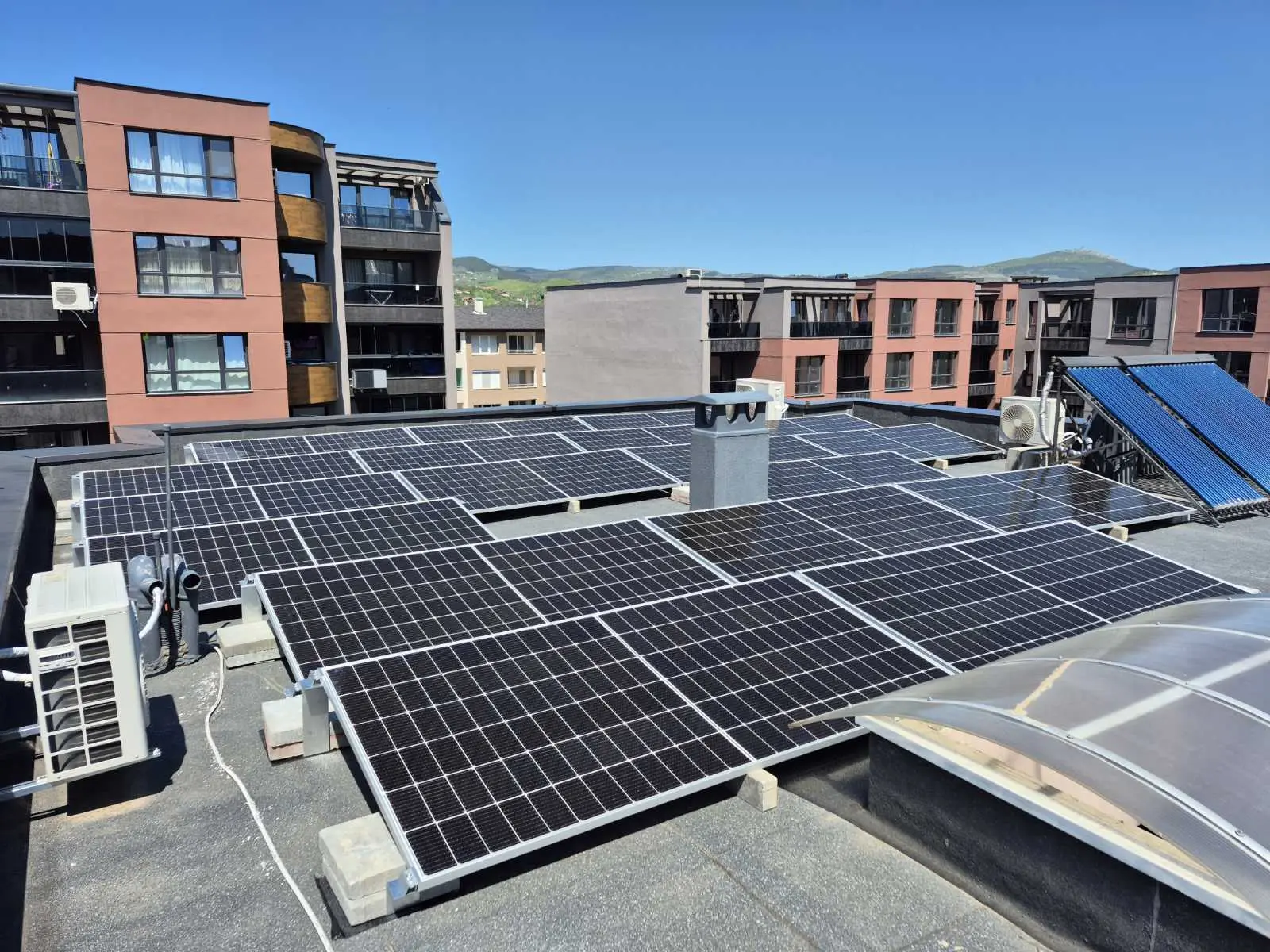
A small solar system for a house or a company can be built under the simplified own-consumption procedure with a notification to the operator (Art. 25a of the Bulgarian Renewable Energy Act). Under it the energy is for own consumption only. The law allows energy into the grid only after the procedure for connection as a producer. So a system built under this procedure does not sell surplus, and its inverter is set not to feed into the grid.
The description is as of October 2026. The rules for selling electricity and the prices change often. Before deciding, check the current texts and the terms of the operator and of the buyer. The links are at the end of the article.
What it takes to sell
Connection as a producer. A study and the operator's opinion, approval of the designs, a connection contract and switching on with tests. The steps are in the article on connecting to the grid operator.
Metering of the energy fed into the grid.
A buyer and a contract. The energy is sold to someone: to the end supplier or to an electricity trader.
Accounting. Selling power is income. Before choosing this route, ask an accountant what it means for you as a private person or a company.
The routes for selling under the law
The Renewable Energy Act (Art. 18a) gives a consumer of own renewable electricity the right to sell their surplus in several ways:
through renewable power purchase agreements;
through electricity suppliers;
through peer-to-peer trading arrangements;
as a market participant, at market prices or under support schemes.
Which of these is practically available to a small system depends on what suppliers and traders offer at the moment. The market price of electricity changes by the hour and is usually lower in the hours when photovoltaic plants produce the most.
A preferential price for small rooftop systems
For small systems there is a regulated option too. Every year by 30 June the Energy and Water Regulatory Commission (KEVR) sets preferential purchase prices for the energy from sites with a total installed power of up to and including 30 kW, built on the roofs and façades of buildings connected to the grid and on the properties belonging to them in urbanised areas. The latest decision is No. Ts-8 of 30 June 2026.
We do not state the price here because it is set anew every year. The current value is in KEVR's decision. The conditions are in the law: the purchase is made under a contract, and for sites built with funds from a national or European support scheme the law provides for different prices. Before you rely on a preferential price, check that your site and the way it is connected meet the conditions.
Is it worth it
We cannot answer with one number and would not do so without the data for the site. The sum depends on how much surplus there will be, at what price it will be bought and what connection as a producer and the administration afterwards cost.
For a house it is usually simpler to size the system to the consumption and run it without feeding into the grid.
For a small business with daytime consumption, a surplus often appears at weekends and on holidays. Whether selling it justifies the longer procedure shows in the load profile.
A system larger than the consumption makes sense to plan only with a clear answer to who buys the energy and on what terms.
What to try before selling
Size the system to the consumption, not to the roof area.
Move consumption to the sunny hours: water heater, washing machine, air conditioner, electric car charging, pumps.
Run without feeding in (Zero Export). The system measures the flow at the connection point and controls the inverters so that nothing goes to the grid.
How we help
When sizing, we analyse the consumption and the load profile of the site, to see what surplus can be expected. That way the decision whether to sell, add a battery or run without feeding in is made on data. See the pages for photovoltaic systems and for energy storage systems, or send us an enquiry with your electricity bills and the contracted power of the site.