Input data
Allocated and required capacity, connection point, continuity category, cadastral data, loads, operating modes and future development.
POWER-DISTRIBUTION INFRASTRUCTURE · LV / MV
We separate distribution infrastructure into five distinct services: LV cable lines, MV cable lines, packaged substations, MV overhead lines and LV overhead lines. Each service can include assessment, calculations, design, coordination, construction, testing and commissioning.
Shared engineering basis
Voltage, conductor or cable, transformer, protection and construction method are selected for the actual site rather than from a generic configuration.
Allocated and required capacity, connection point, continuity category, cadastral data, loads, operating modes and future development.
Current capacity, voltage drop and losses, short circuits, thermal withstand, selectivity, protection, grounding and power quality.
Terrain, crossings, easements, access, mechanical loads, foundations, poles, cable infrastructure, clearances and construction method.
Separate services
Underground or exposed LV cable systems distributing electricity between substations, main and distribution boards, industrial, public, residential and energy facilities.
MV cable connections for substations, PV, ESS, industrial capacity, switchgear and other energy facilities.
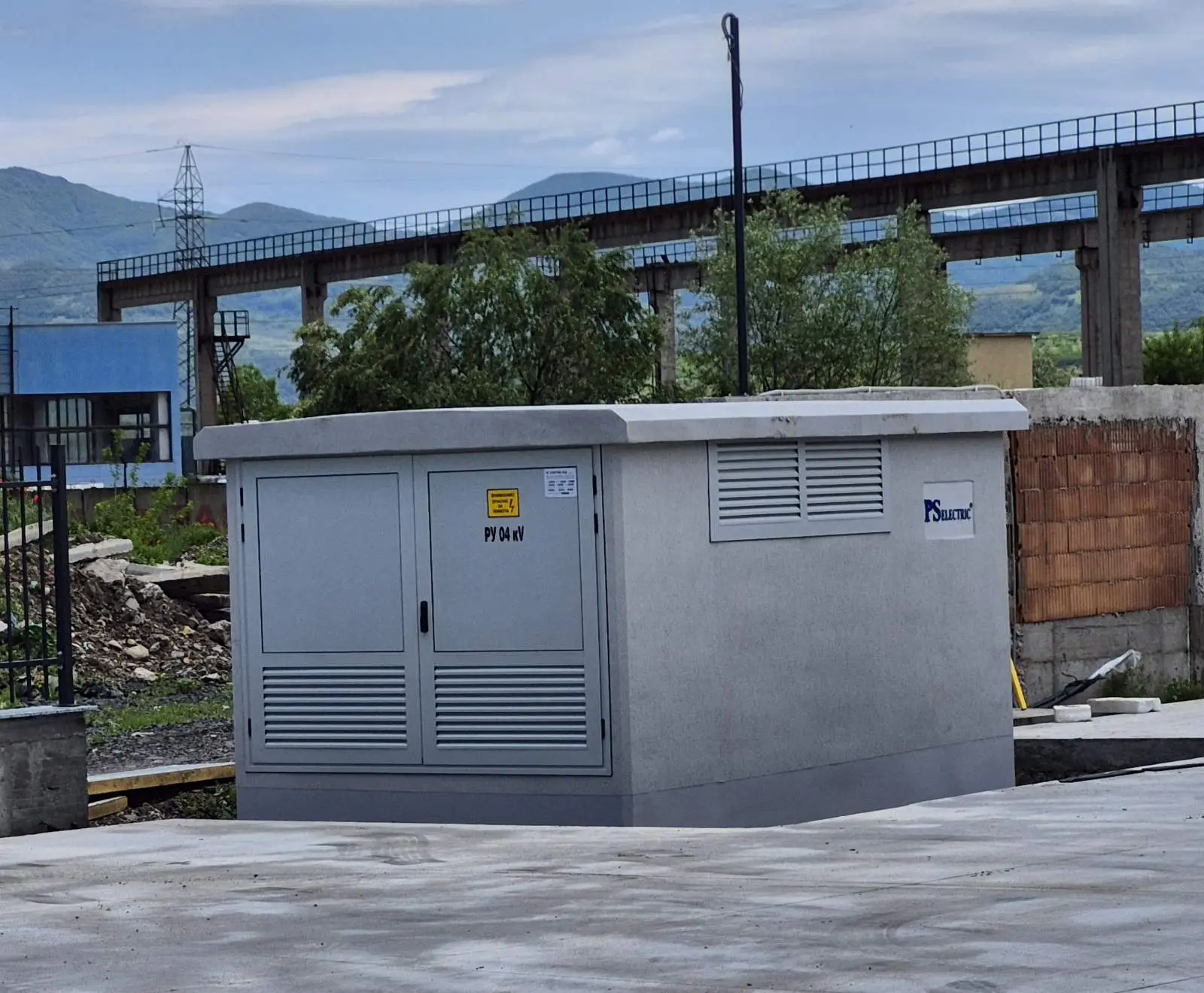
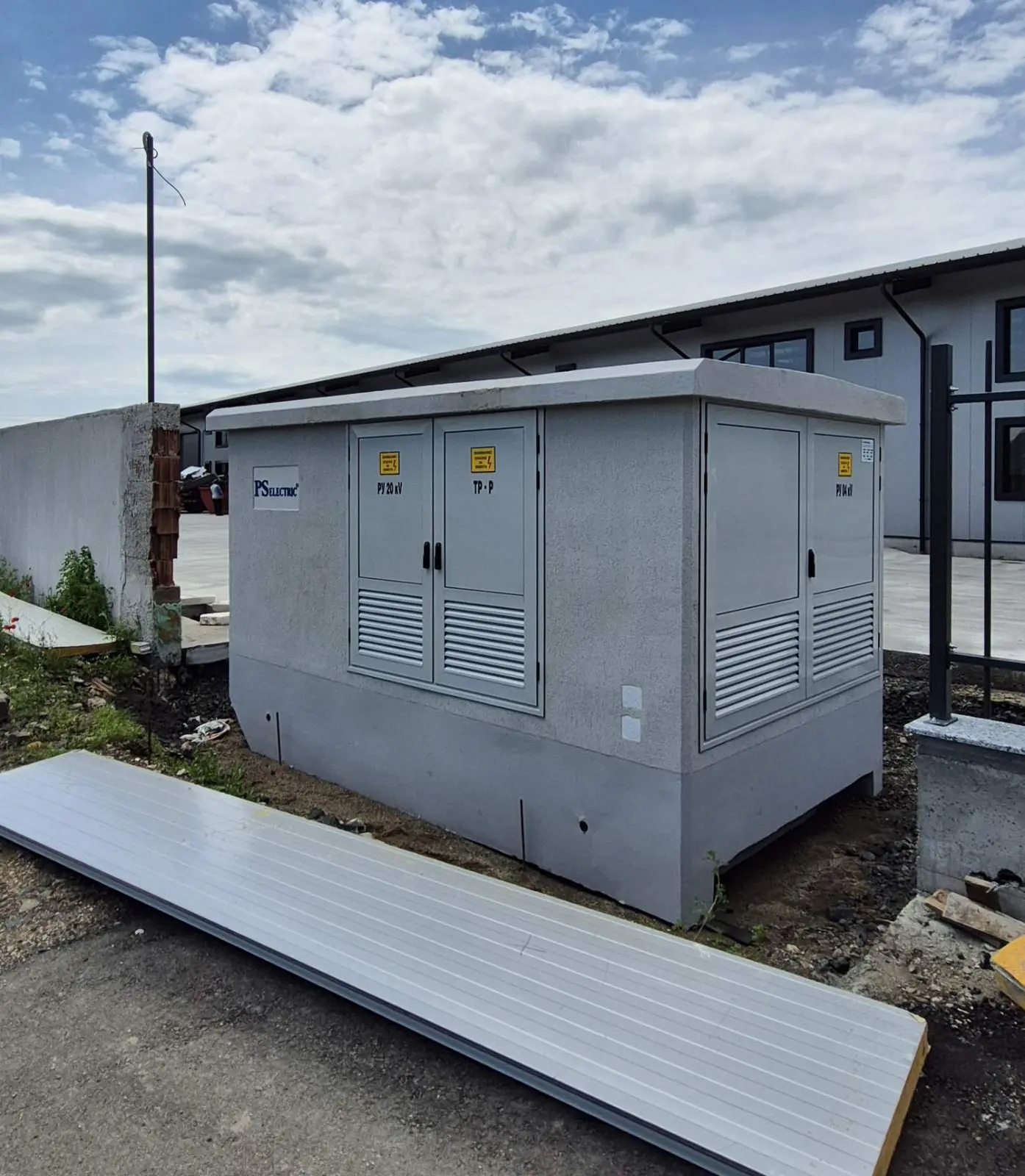
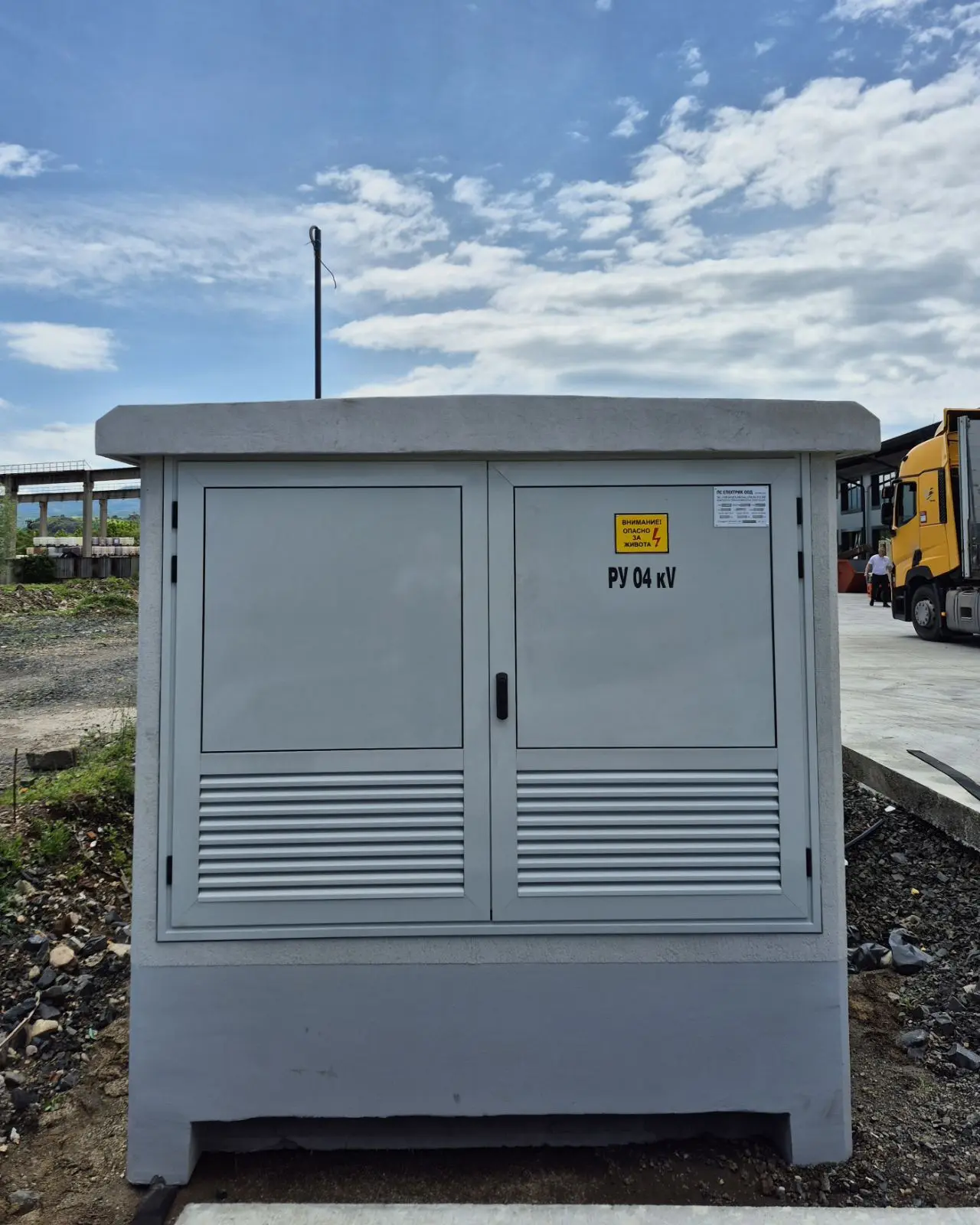
Packaged or concrete packaged substations converting 20 kV to 0.4, 0.6 or 0.8 kV according to the loads, technology and connected power converters.
MV overhead networks using bare or covered conductors for grid links, branches and connection of substations and energy facilities.
LV overhead distribution, typically using aerial bundled conductors, for consumers, street lighting and local networks.
Completed work
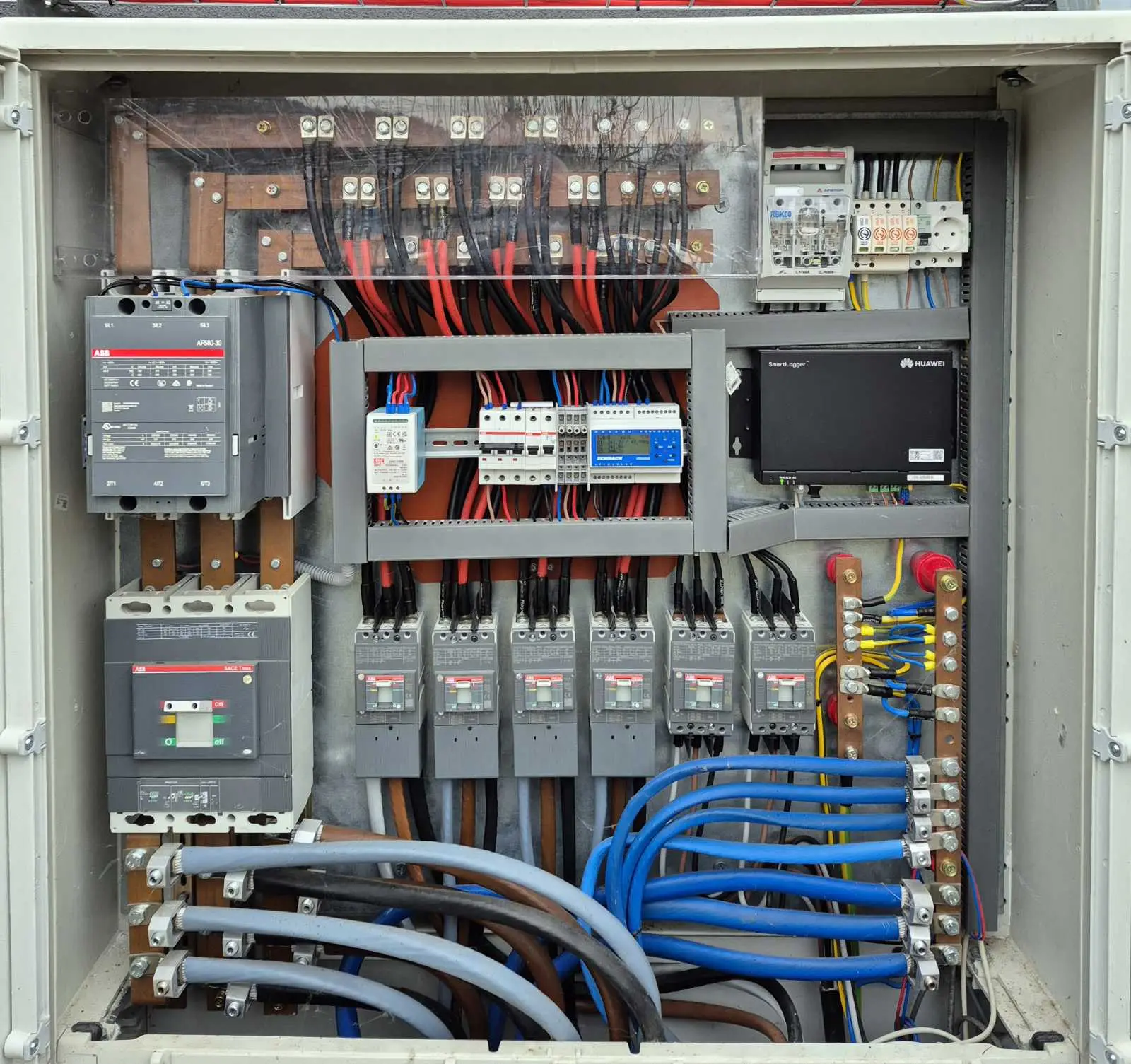
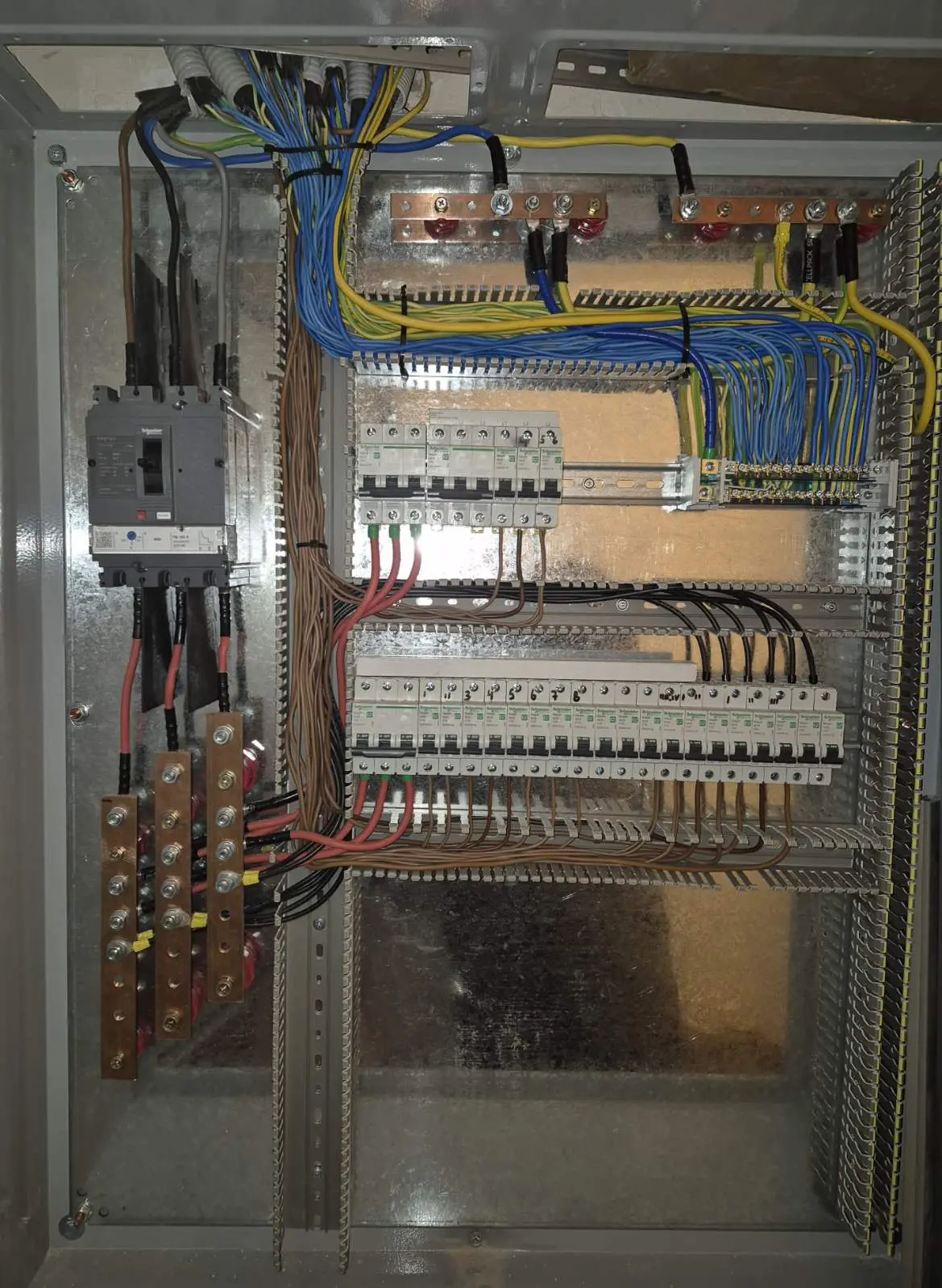
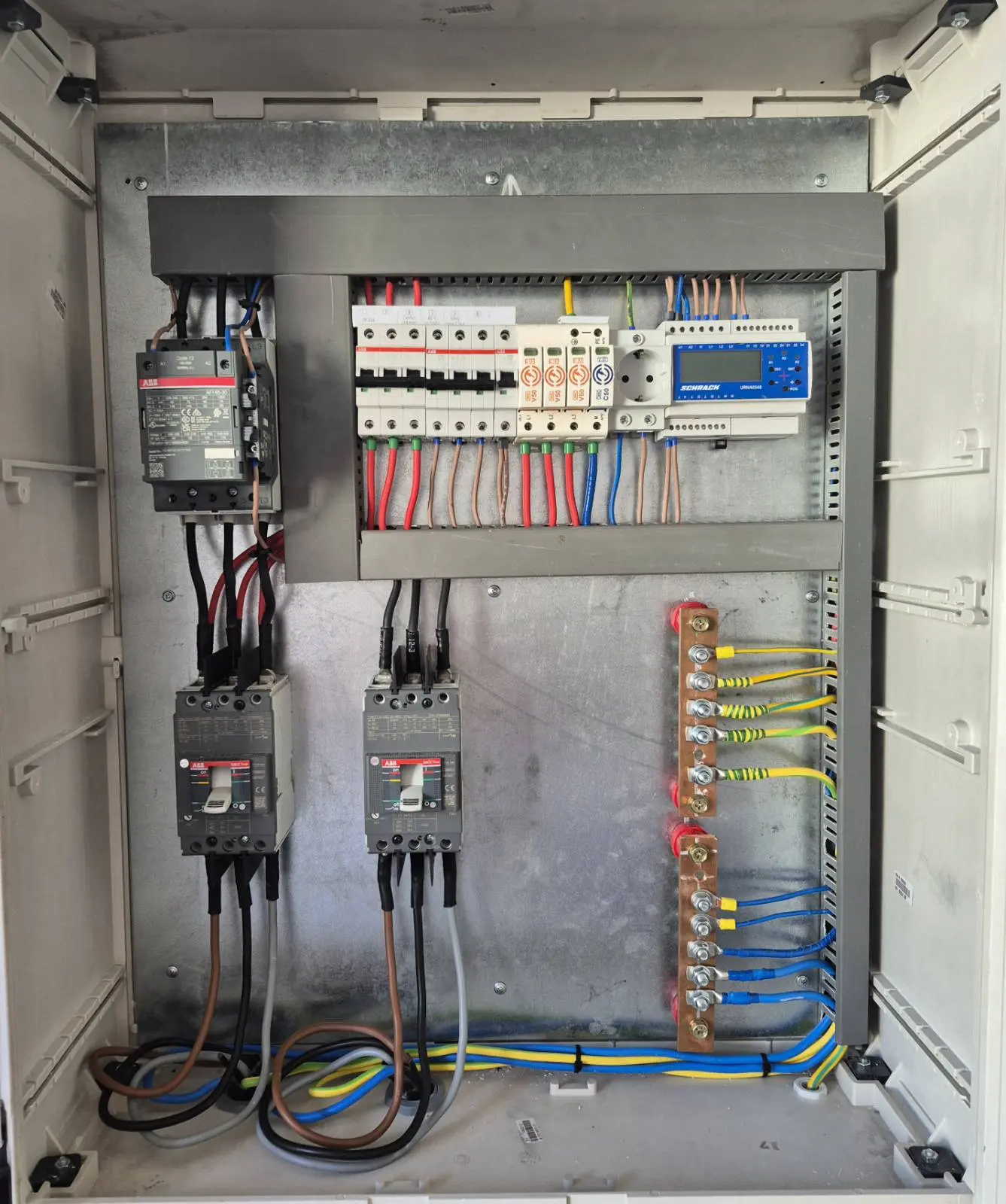
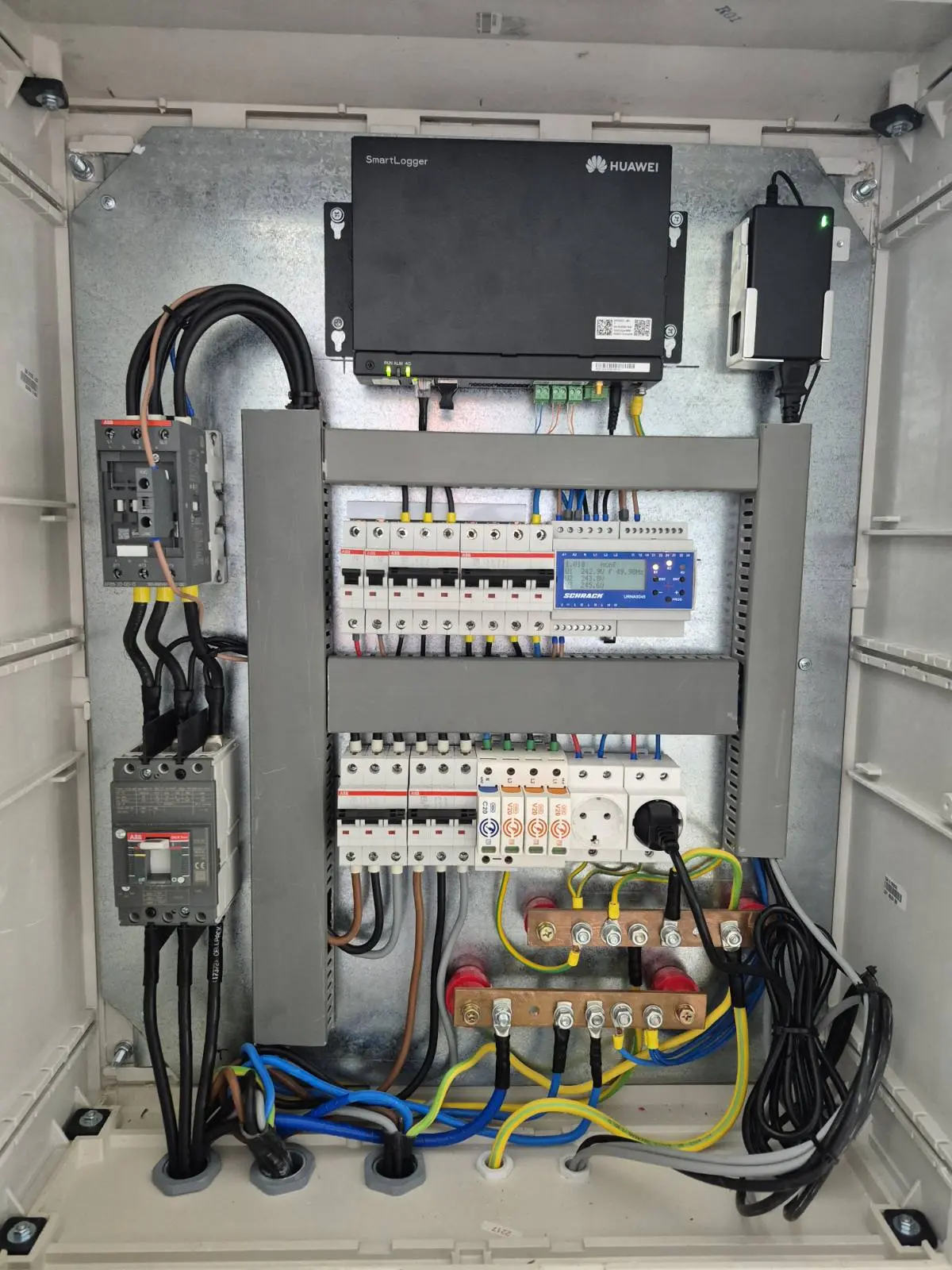
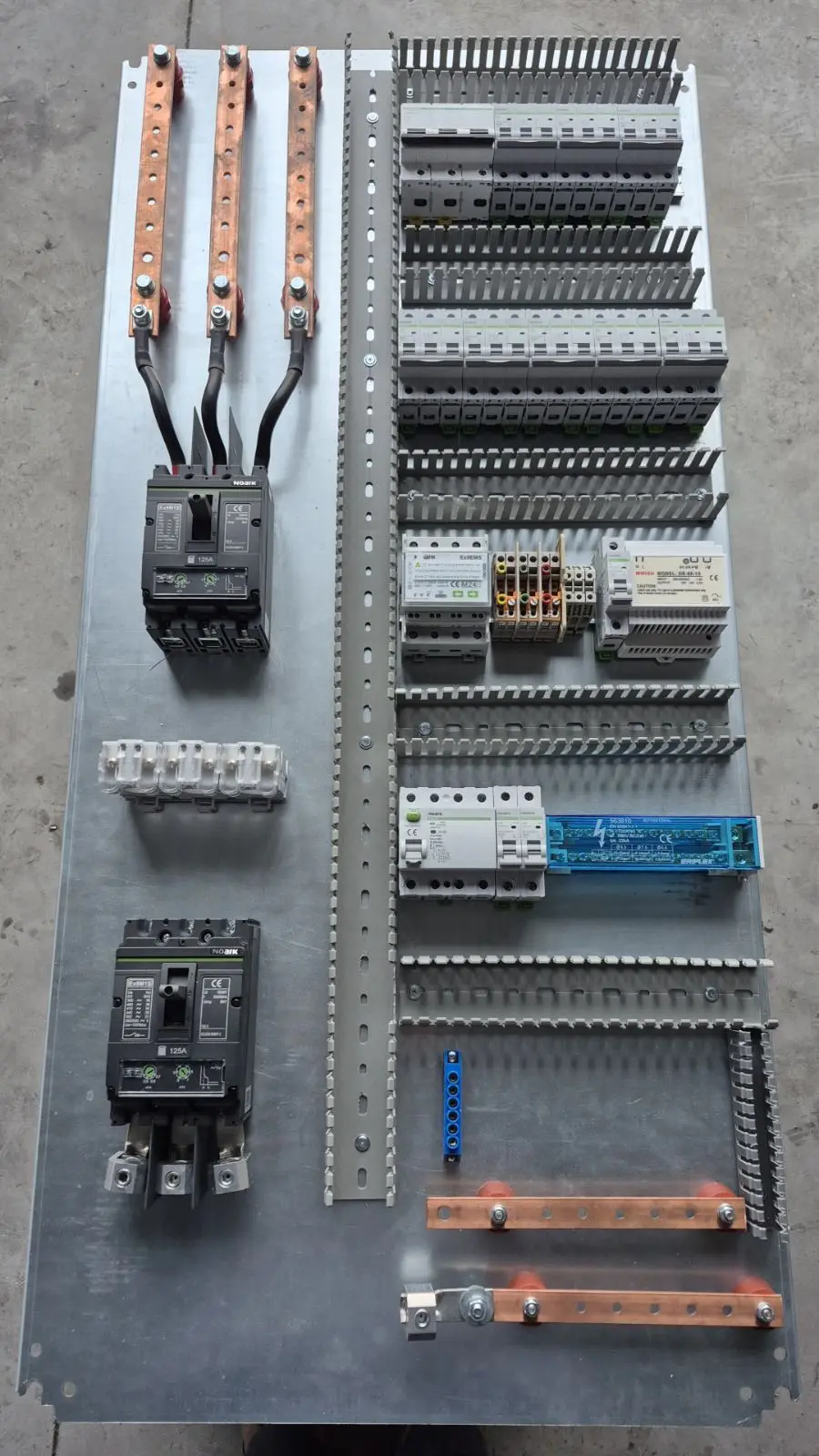
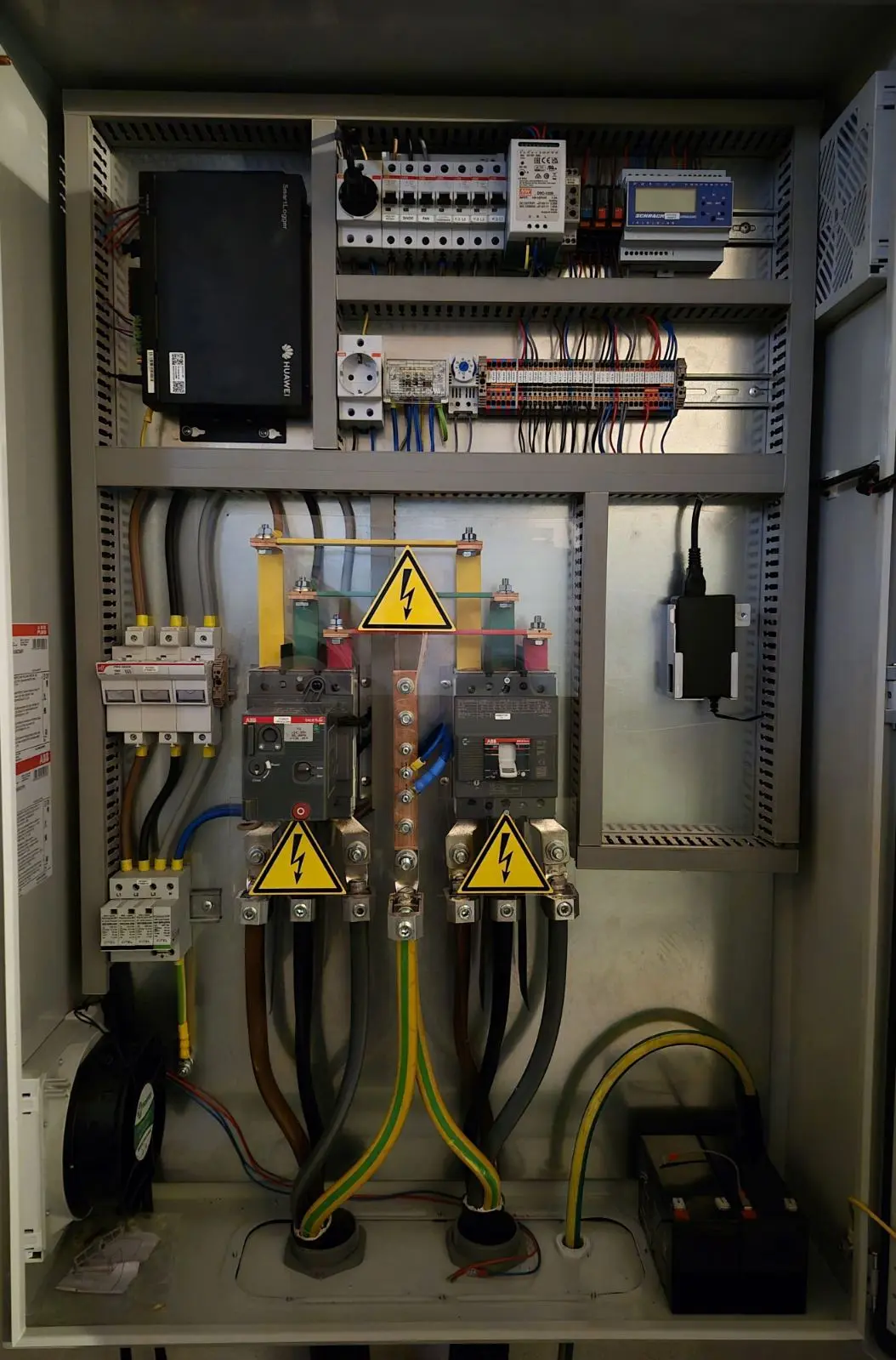
The selected photographs show actual project stages and completed Power Design Engineering systems. Each image is included for its clear technical relevance and execution detail.
Distribution, protection and control boards for photovoltaic and electrical-power systems.
Packaged equipment and infrastructure for grid connection, transformation and distribution.
Complete lifecycle
For each of the five services, we can provide the complete scope or selected stages: survey and feasibility, connection alternatives, detailed design, geodetic and coordinated disciplines, bills of quantities, approval support, supply, construction, testing, commissioning, as-built documentation and contract-based maintenance. The required test protocols are prepared following inspections.
Technical enquiry
Missing information can be established through a site survey, measurements and coordination with the relevant operators and authorities.
Frequently asked questions
LV cable lines operate up to 1 kV and typically supply end users and boards. MV cable lines operate above 1 kV and up to 35 kV, connecting substations, switchgear, generation and energy facilities.
A substation is used when the site connects at medium voltage and conversion to the operating low voltage is required. Type, rating and configuration depend on the grid conditions, loads, operating mode and reserve.
0.4 kV is standard for general LV loads. 0.6 and 0.8 kV are used for specific industrial or energy solutions, including certain large converters. The final voltage follows the equipment and connection conditions.
Route and profile, electrical and mechanical calculations, conductor, pole, insulator and fitting selection, foundations, grounding, protection, crossings, easements, specifications and the required approvals.
Yes. The scope may be full engineering or an individual stage: assessment, design, coordination, supply, construction, testing, commissioning or maintenance, depending on available documentation and customer responsibilities.
Inspections and measurements are recorded in the applicable protocols. Construction projects also receive as-built drawings, technical records and handover and commissioning documentation.