
Load profile
Hourly or interval consumption, peak demand, daily and seasonal operation, PV production and self-consumption opportunities.
ESS / BESS · ENERGY STORAGE
Power Design Engineering designs, supplies, installs and commissions ESS/BESS systems for residential, commercial and industrial sites — as a standalone solution, an addition to an existing PV plant or part of a new integrated energy system.
Engineering basis
Before selecting a battery, we assess the load profile, electrical supply, existing PV system, critical loads and required operating modes. The ESS is engineered as a complete system rather than selected as an isolated product.
Hourly or interval consumption, peak demand, daily and seasonal operation, PV production and self-consumption opportunities.
Required charge and discharge power, usable energy capacity, permitted depth of discharge, reserve and expected cycling duty.
LV or HV battery, hybrid or AC-coupled topology, BMS, PCS, EMS, metering, protection, communications and backed-up loads.
Complete scope
We review the electrical supply, boards, protection, available capacity, existing PV, installation conditions and technical records.
We develop an energy balance and alternatives for system power, capacity and control according to the site's objectives.
We define the electrical architecture, cables, boards, protection, metering, communications and required civil and fire-safety provisions.
We prepare a compatible configuration and supply battery modules or cabinets, converters, controllers, metering and the required electrical infrastructure.
We complete the mechanical installation, DC and AC connections, boards, protection, grounding, metering and communication links in accordance with the design.
We configure the operating modes and verify system functions before handover.
After commissioning, we can provide remote monitoring, alarm analysis, preventive inspection and contract-based technical maintenance.
Applicable architectures
The technology platform is selected after checking the load, operating voltage, reserve requirements and compatibility with existing equipment.
Hybrid LV or HV solutions for higher self-consumption, backed-up loads and management of rooftop-PV energy.
C&I ESS/BESS configurations for peak shaving, energy shifting, demand limitation and coordinated operation with PV and loads.
AC-coupled or hybrid integration with an operating PV plant, EV charging, a generator and EMS, subject to the site's technical capabilities.
Completed work
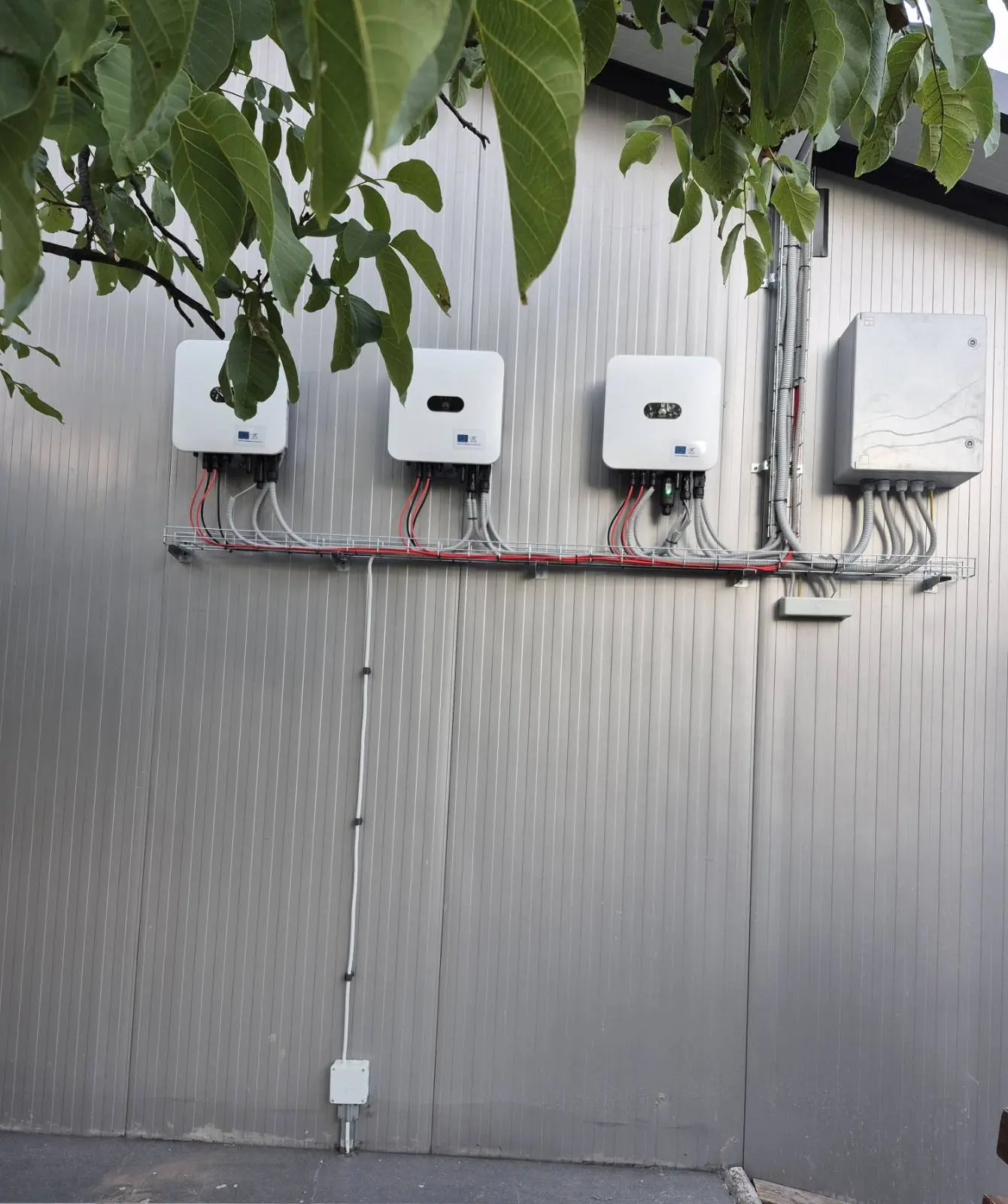
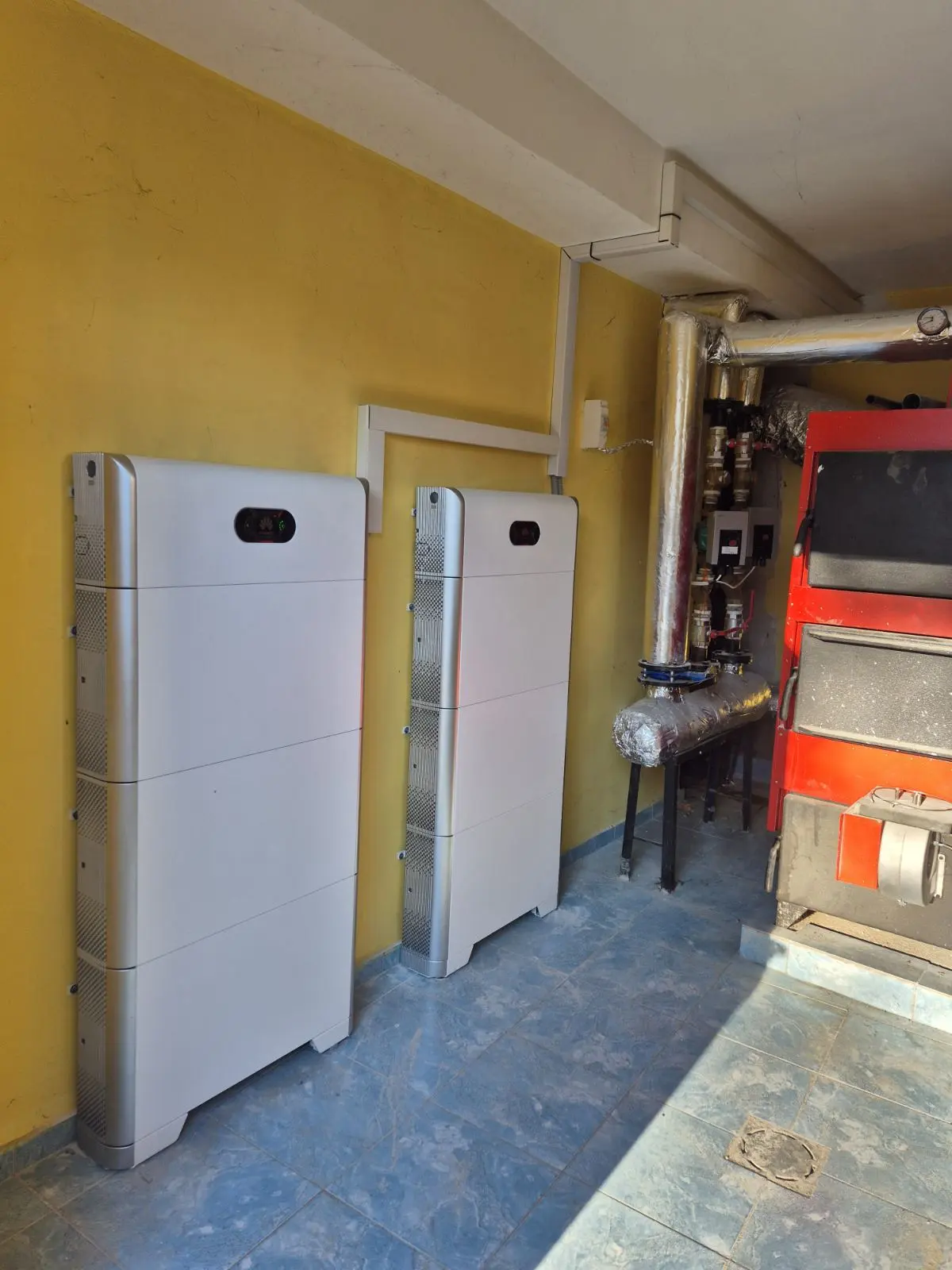
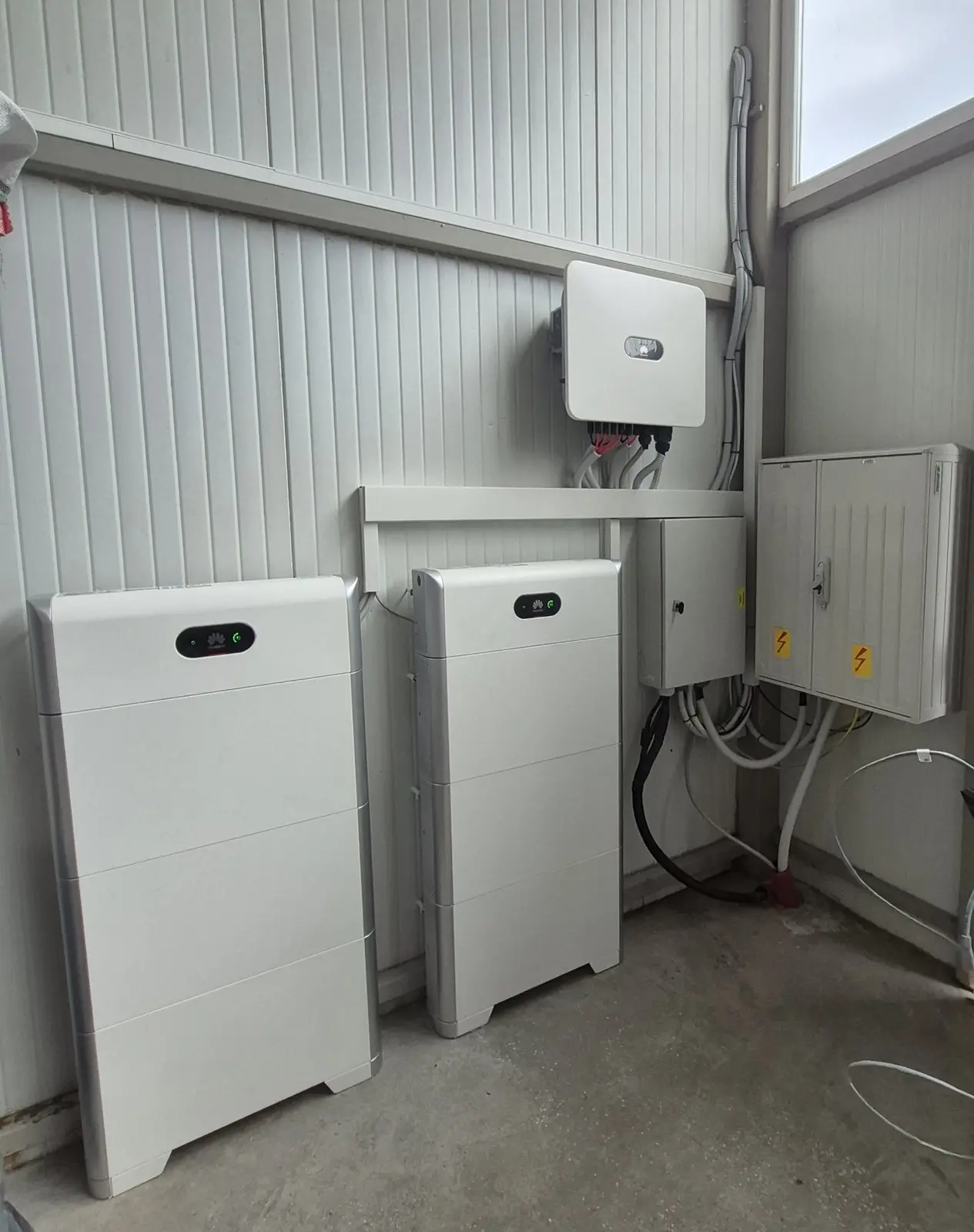
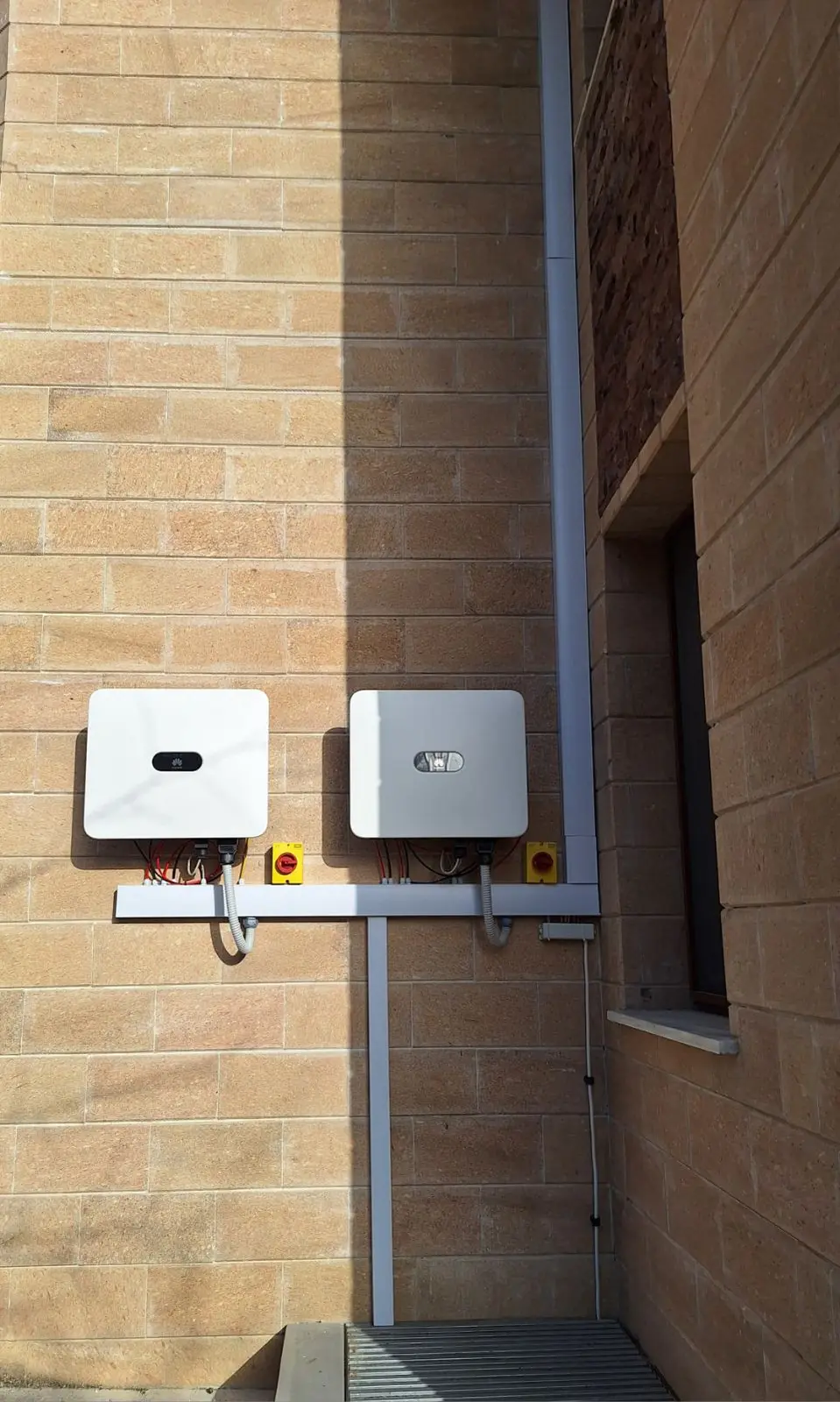
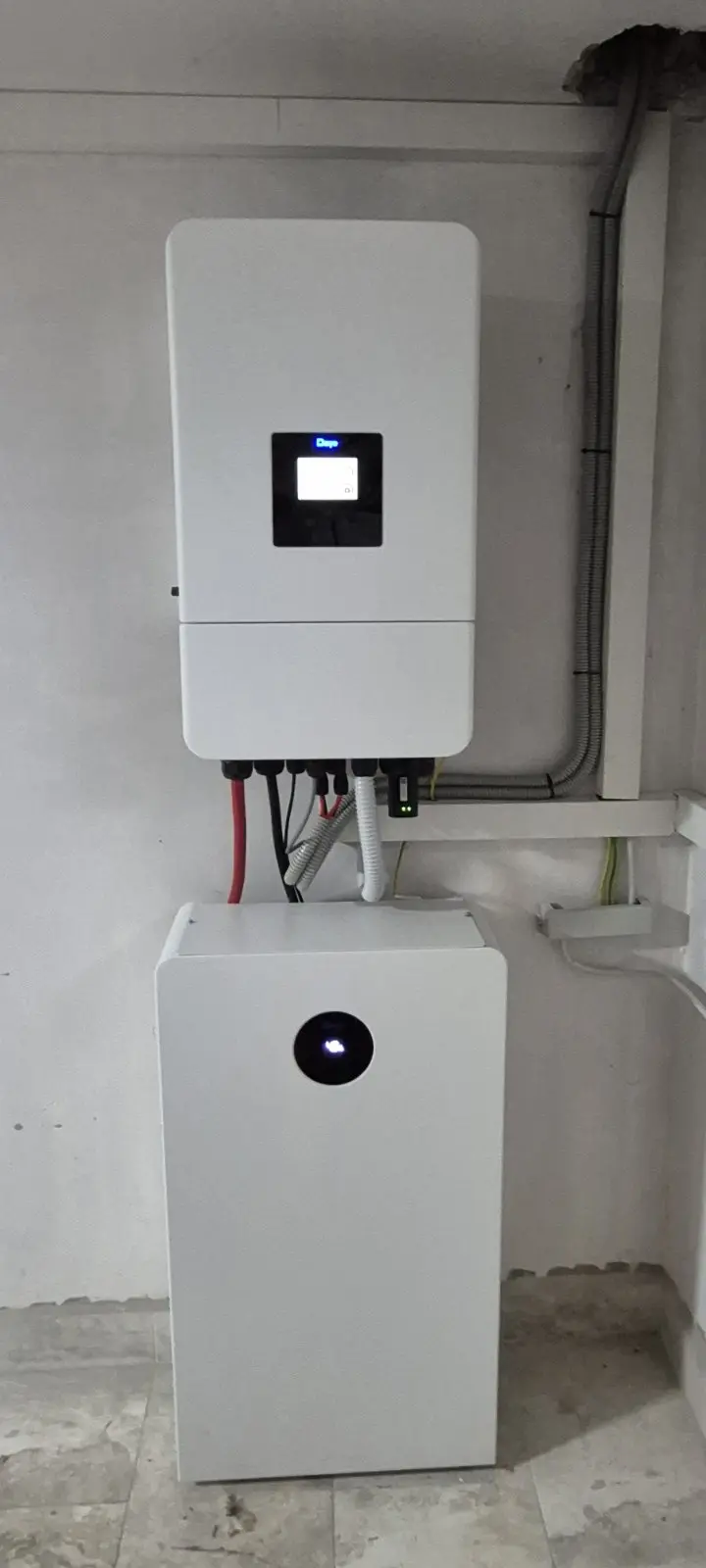
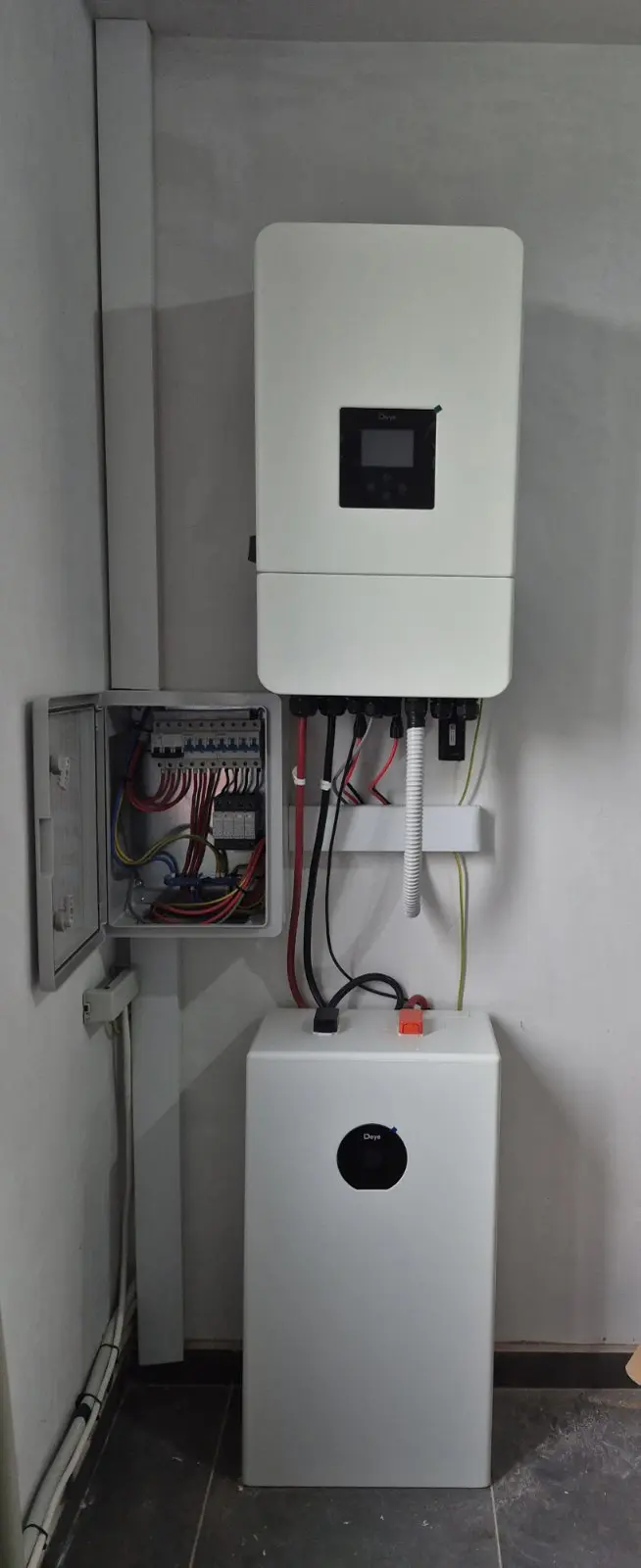
The selected photographs show actual project stages and completed Power Design Engineering systems. Each image is included for its clear technical relevance and execution detail.
Inverters, battery modules and multi-component configurations integrated for the site's operating requirements.
Operating modes
ESS/BESS can increase PV self-consumption, reduce peak demand, support selected loads during grid outages, enforce Zero Export or participate in a local microgrid. Available functions depend on the architecture, equipment, grid-connection conditions and required protection.
Technical enquiry
Where interval load data is unavailable, the assessment can begin with bills and main-load information, with temporary metering added as a separate stage.
Frequently asked questions
ESS is the general term for an energy storage system, while BESS denotes a battery-based energy storage system. In practice the terms are often used together, but the complete system includes not only the battery, but also the BMS, power converter or hybrid inverter, metering, protection, control and monitoring.
Yes, after reviewing the inverters, AC and DC architecture, boards, protection, metering and communications. The solution may be AC-coupled, DC-coupled or hybrid according to the installed equipment and system objectives.
They are determined from the load profile, PV production, peak demand, required backup duration, permitted charge and discharge power and the selected control strategy. A larger capacity is not always the most effective solution.
The scope can include complete engineering or individual stages: design, supply, installation, configuration, testing, commissioning and maintenance. Technical compatibility and available design records are checked before equipment supply.
Yes, when the inverter or PCS, transfer topology, protection and control are designed for that mode. Specific backed-up loads and the required autonomy are defined during sizing.
Price depends on power and usable capacity, LV or HV architecture, inverter or PCS, BMS and EMS, boards, protection, cables, installation conditions, integration, testing and required documentation. A final proposal follows the technical assessment.
We provide assessment, design, supply, installation and maintenance in Kardzhali and the surrounding region, as well as for projects elsewhere in Bulgaria. Organisation depends on location, system power and scope.