
Input data
Load profile, electricity bills, capacity allocated by the DSO, supply diagram, available areas and existing equipment.
PV & ESS
Design, supply, construction, commissioning, monitoring and technical support for photovoltaic power plants and energy-storage systems (ESS/BESS) across residential, commercial and industrial sites.
Engineering basis
The packages below are preconfigured engineering solutions. Final PV power, ESS capacity and scope are confirmed against consumption, allocated grid capacity, operating profile and site conditions.
Load profile, electricity bills, capacity allocated by the DSO, supply diagram, available areas and existing equipment.
Energy balance, generation and self-consumption, peak loads, backup needs, allowable power flows and control modes.
PV and ESS configuration, inverters, protection, switchboards, cables, metering, automation, communications and the required electrical infrastructure.
Preconfigured solutions
Each configuration is prepared as a complete system covering supply, installation, metering and commissioning. The ESS capacities shown on the package cards are based on a Deye configuration. A separate compatible Huawei configuration is engineered around the available LUNA2000 modular steps and the selected SUN2000 inverter.
The package ESS capacities are based on Deye and match the values stated in the package titles. The inverter and battery architecture are selected according to system power and operating requirements.
The Huawei option is configured separately as an integrated high-voltage system. LUNA2000 capacity follows the permitted modular steps and may differ from the ESS capacity stated for the corresponding Deye package.
Important: Huawei is not offered as a direct one-for-one substitution for Deye. The technical and commercial proposal states the exact inverter model, nominal and usable ESS capacity, LV/HV architecture, permissible charging and discharging power, and available backup modes.
6.30 kWp DC · 5 kWh ESS
Base configuration: Deye
6.30 kWp DC · 10 kWh ESS
Base configuration: Deye
10.80 kWp DC · 16 kWh ESS
Base configuration: Deye
21.60 kWp DC · 16 kWh ESS
Base configuration: Deye
21.60 kWp DC · 32 kWh ESS
Base configuration: Deye
32.40 kWp DC · 30 kWh ESS
Base configuration: Deye
32.40 kWp DC · 60 kWh ESS
Base configuration: Deye
Select power, modules, ESS and operating mode
Custom configuration: Deye or Huawei
The base configurations are calculated with 450 Wp photovoltaic modules, an equal module count in parallel strings and DC capacity approximately up to 10% above the inverter's nominal AC power. In the Deye option, the battery section may use a low-voltage (LV) or high-voltage (HV) architecture depending on the selected inverter; the Huawei option is configured as a compatible high-voltage (HV) SUN2000 + LUNA2000 system. Selection is based on inverter compatibility, required power and capacity, permissible battery current, operating mode and site conditions, and is confirmed in the final technical proposal. Module manufacturer, unit rating and quantity may change subject to availability, installation area, string configuration and the technical assessment. Final string allocation is confirmed after checking the exact module electrical parameters, inverter input limits and minimum design temperature. Any change requires recalculation of total DC capacity, string design and final price. Packages apply to standard installation and electrical conditions. The mounting system, routes, switchboards, protection and operating mode are confirmed after a site survey. Structural reinforcement, roof repairs, non-standard civil works, network-operator and administrative fees are priced separately where required.
Project scope
Review of the site, electrical supply, allocated capacity, existing loads, structural conditions and technical documentation.
Analysis of hourly or interval load data and development of alternatives for power, capacity and operating modes.
Electrical, structural and supporting design packages with calculations, diagrams and specifications.
Engineering support for DSO procedures and preparation of the required technical documentation.
Equipment supply, installation and connection in accordance with the design, technical requirements and site conditions.
Functional tests, measurements, operating-mode configuration and preparation of commissioning documentation.
Supervision, diagnostics, periodic inspections and contractual maintenance for reliable lifetime operation.
Completed work
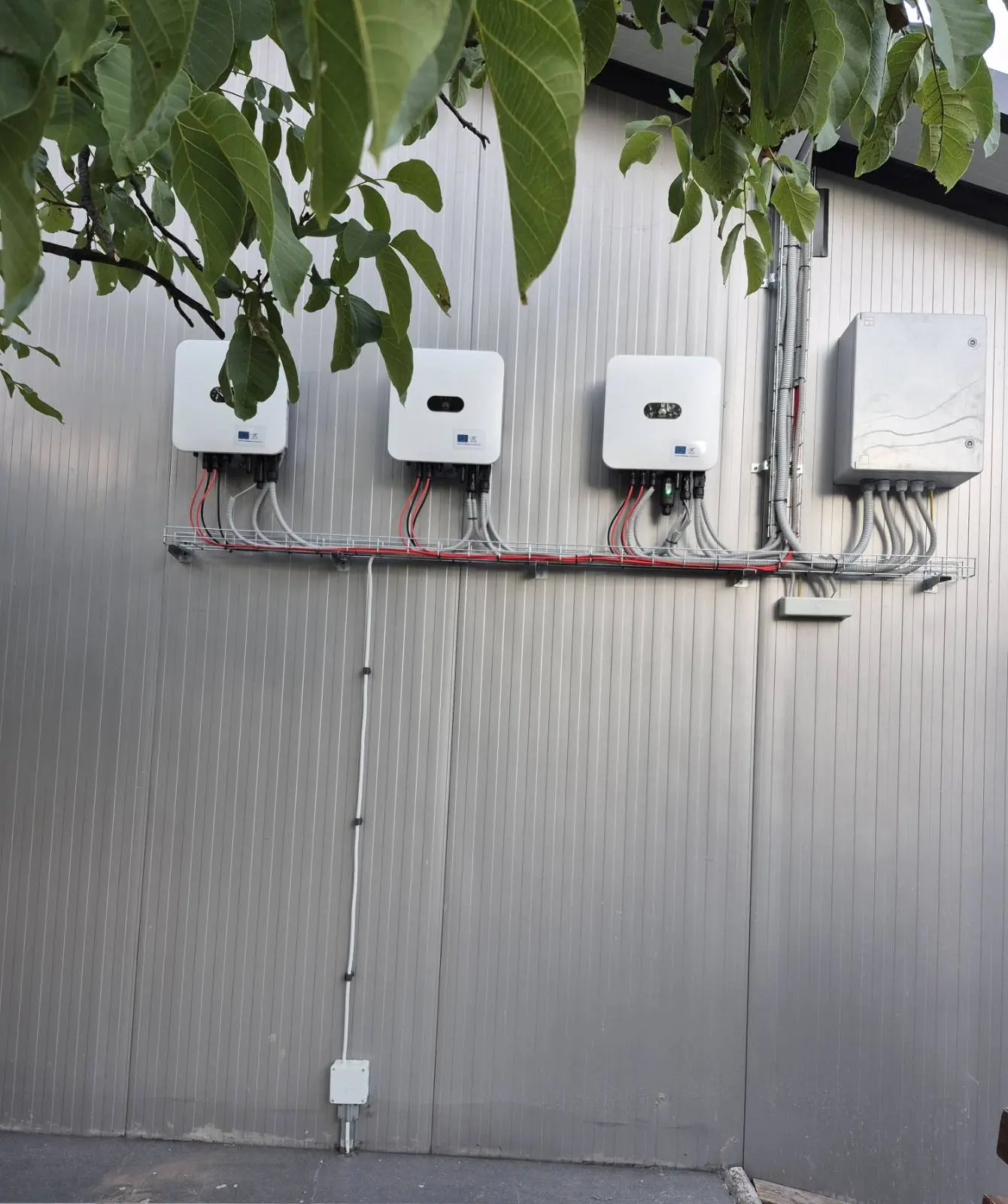
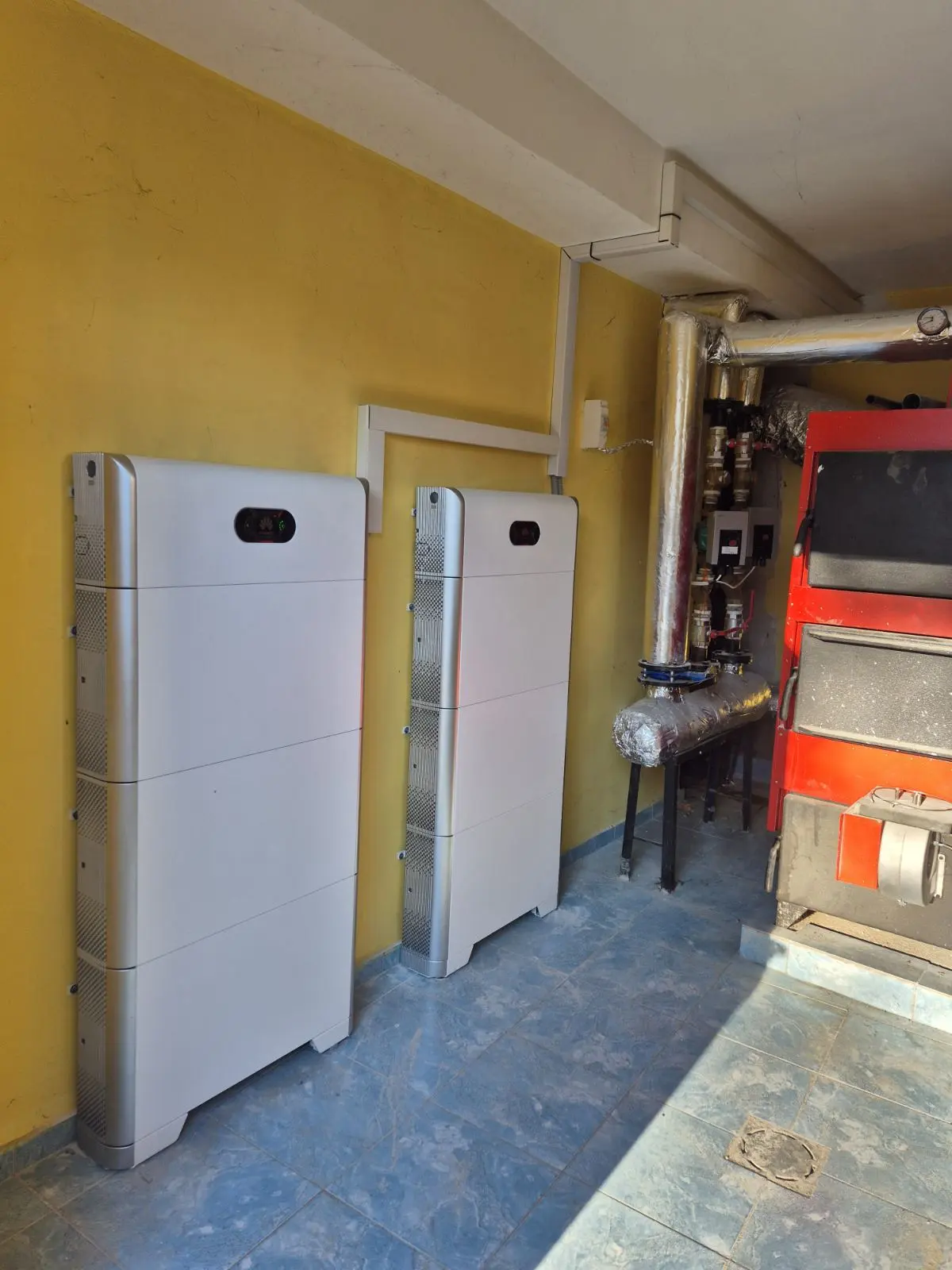
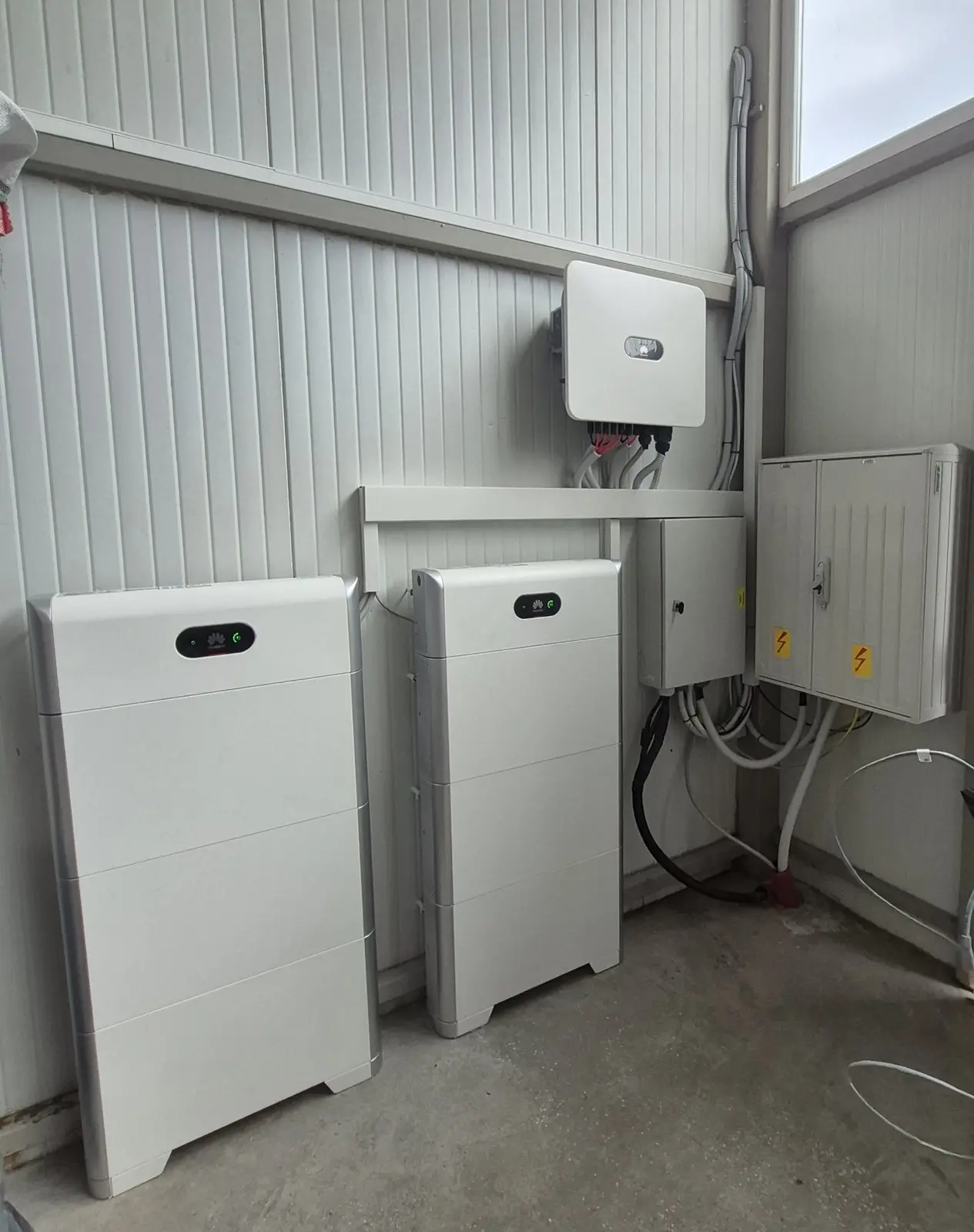
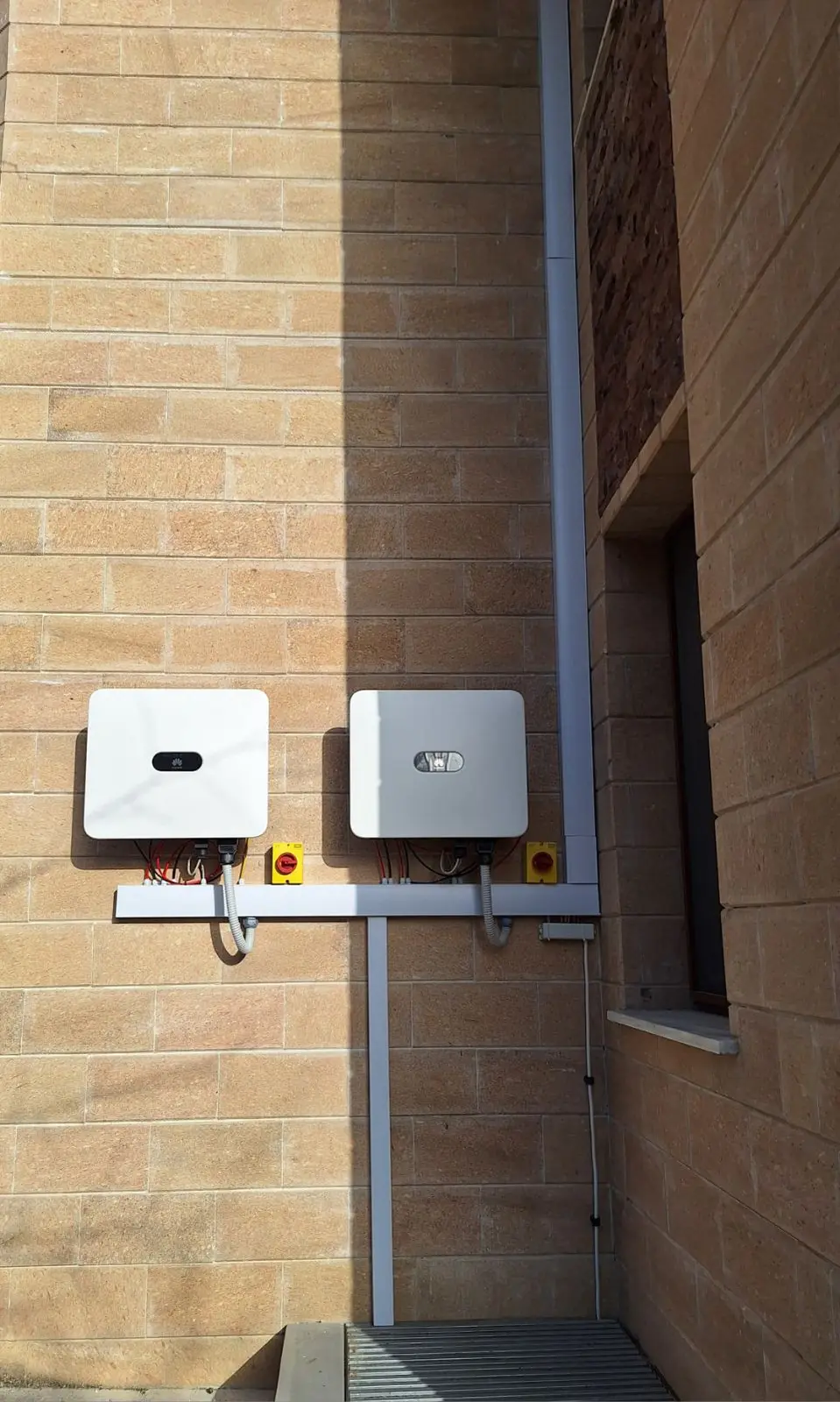
The selected photographs show actual project stages and completed Power Design Engineering systems. Each image is included for its clear technical relevance and execution detail.
Rooftop systems, photovoltaic canopies and different mounting solutions from completed sites.
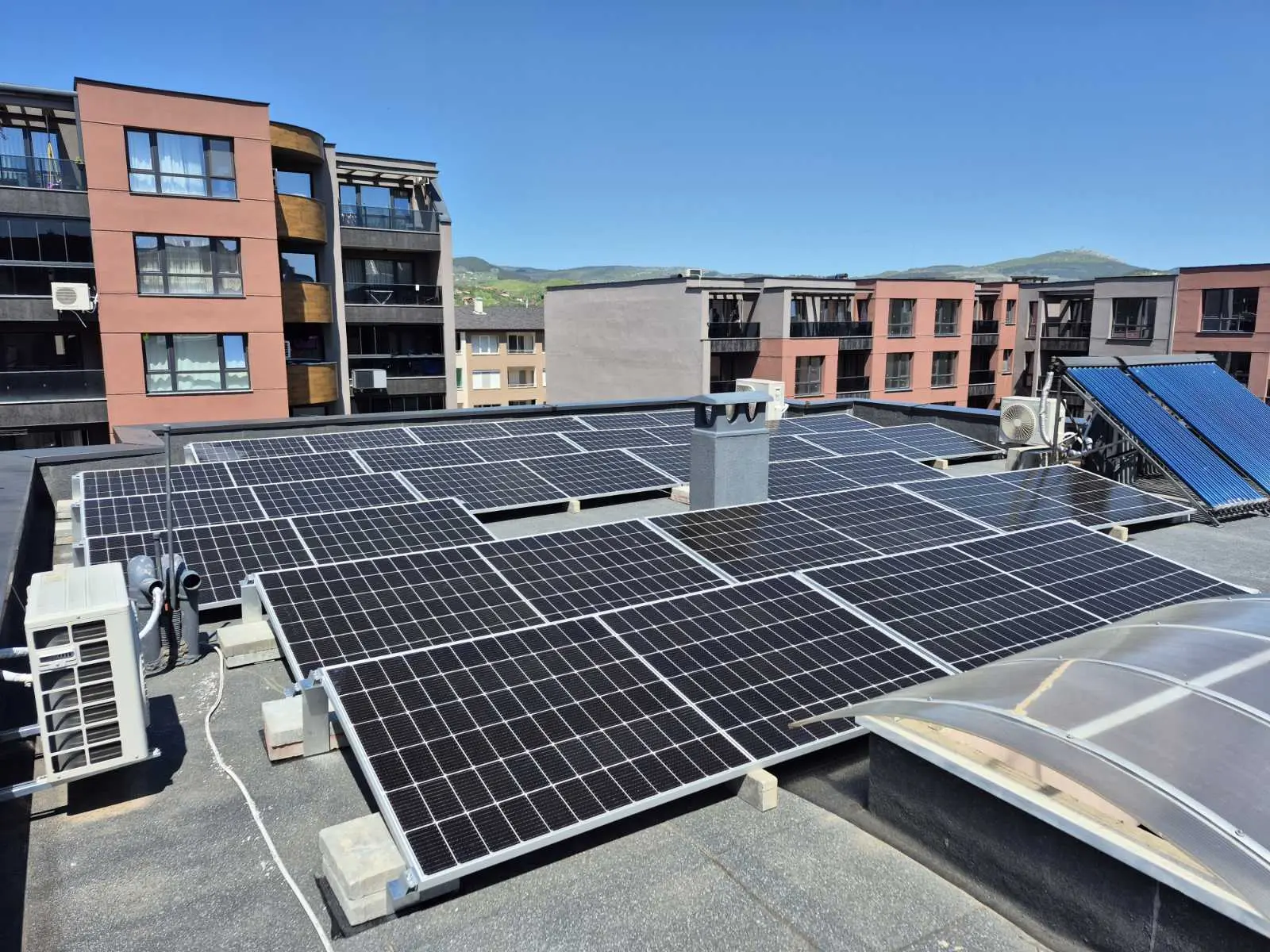
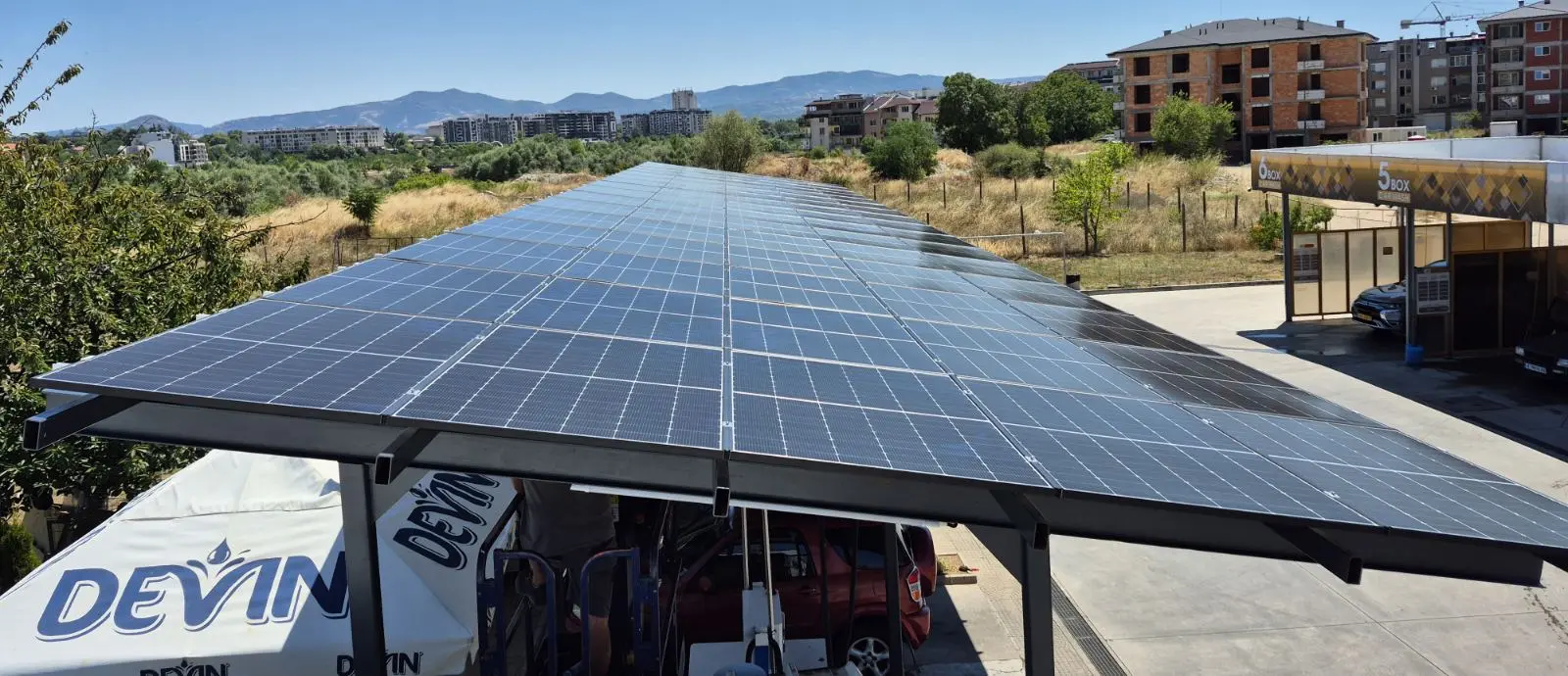
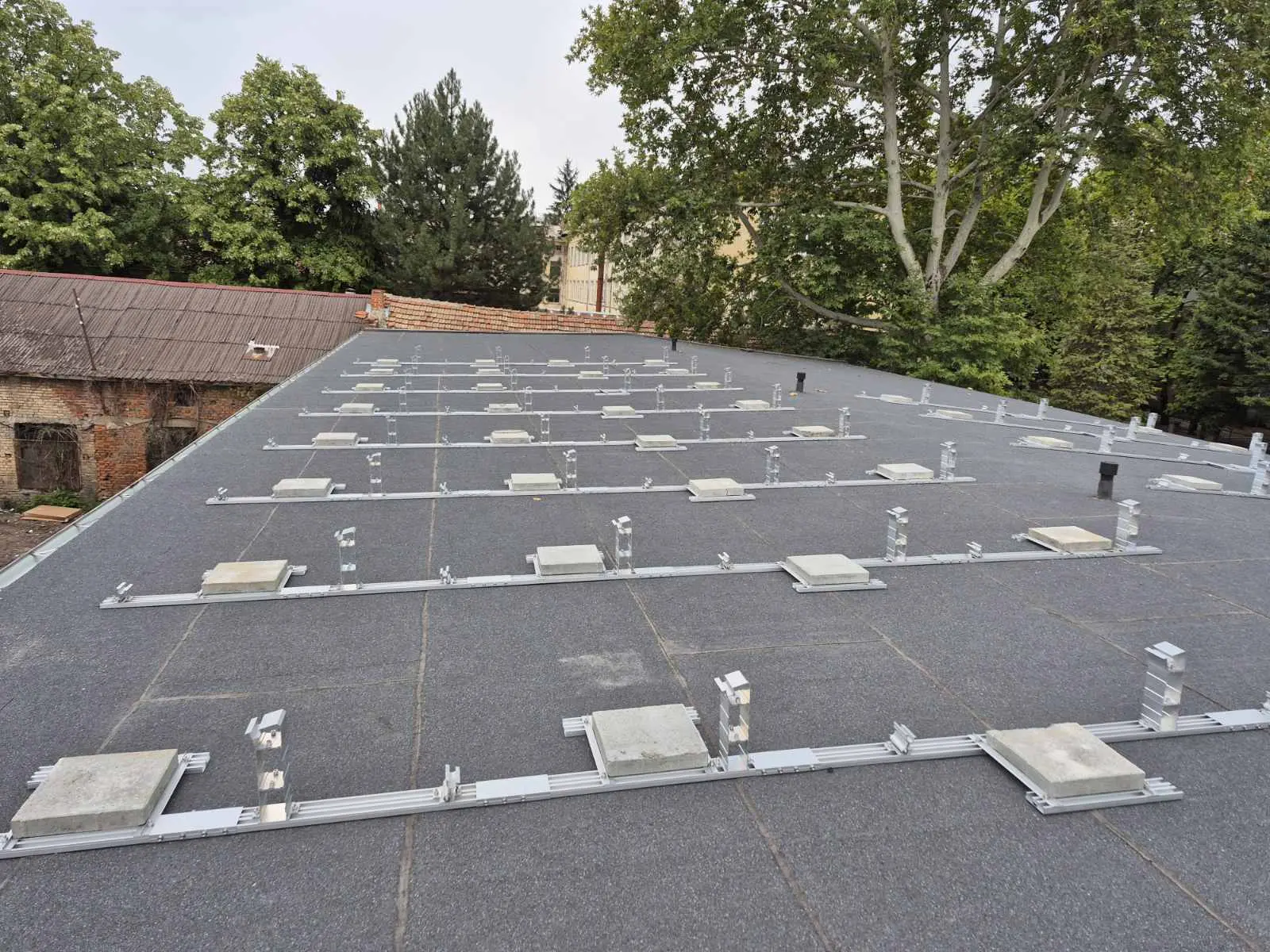
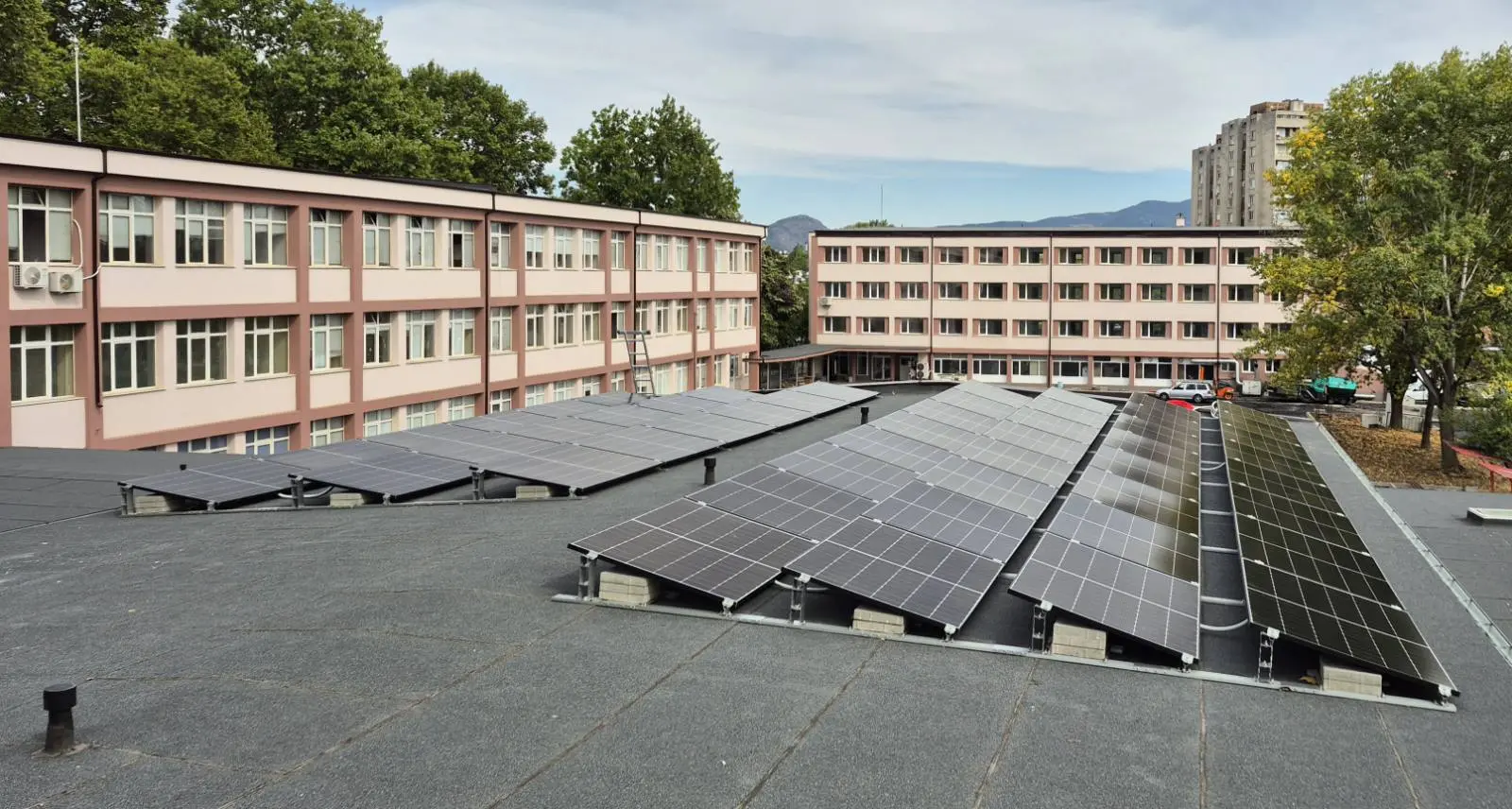
Inverters, battery modules and multi-component configurations integrated for the site's operating requirements.
Kardzhali and the region
Power Design Engineering works on photovoltaic and energy-storage projects in Kardzhali and the surrounding region. Proximity supports efficient site surveys, construction coordination, commissioning tests and ongoing maintenance. We cover self-consumption, energy export, peak-demand reduction, backup and energy-flow management applications.
Technical enquiry
When part of the information is unavailable, it can be established during the technical site survey.
Frequently asked questions
Capacity is determined after reviewing consumption, the load profile, allocated grid capacity, available area, operating requirements and connection conditions. Maximising installed capacity is not always the technically or economically optimal solution.
We need the site address and use, electricity bills, allocated grid capacity, any available load profile, the supply diagram, main loads, available area and the required operating mode. Missing data can be established through a technical site survey or additional metering.
Allocated capacity defines the contracted consumption limit and is important when assessing the connection point, cables, protection, metering and allowable PV and ESS operating modes. It is not the same as the actual maximum demand, so it is evaluated together with the load profile.
Interval load data enables more accurate PV and ESS sizing. It can be uploaded as an Excel or PDF file through the technical questionnaire. Where it is unavailable, the initial assessment can start from bills and main-load data, with temporary metering added as a separate stage.
ESS is considered when higher self-consumption, peak-demand reduction, backup supply, island operation, Zero Export or energy shifting between time periods is required. Power and capacity are sized against the site's actual operating profile.
Yes, following a technical review of the existing inverters, AC and DC architecture, switchboards, protection, metering, communications and control capability. The solution may be AC-coupled, DC-coupled or hybrid depending on the equipment and project objectives.
A grid-tied PV system operates in parallel with the distribution network and normally stops during an outage. A hybrid system combines PV and ESS and can support selected backup loads when correctly engineered. An off-grid system operates without the public grid and requires a dedicated energy balance, reserve capacity and coordinated control of generation and loads.
The sequence typically includes an application, input data, connection opinion or conditions, project documentation, coordination, construction, testing and commissioning documents. The exact steps depend on system capacity, operating mode and the requirements of the relevant DSO.
The scope may include site assessment, energy studies, detailed design, equipment selection and supply, installation, electrical connections, protection, metering, automation, configuration, testing, protocols, training and system handover. The exact scope is defined in the technical proposal and contract.
The contract defines the covered equipment, inspection intervals, remote monitoring, preventive checks, measurements, thermographic inspection, alarm analysis, response times and conditions for emergency visits. Service protocols are issued after inspections, recording findings and recommended actions.
We provide site surveys, design, construction and maintenance in Kardzhali and the surrounding region, as well as for projects elsewhere in Bulgaria. Organisation and lead times are defined according to location, scope and the required coordination activities.
Lead time and price depend on system power and complexity, site conditions, design disciplines, grid-connection requirements, selected equipment, mounting structure, cable routes, switchboards, protection and testing. A final proposal is prepared after sufficient technical data has been reviewed.